 AlbumRelease date:
01.09.2017
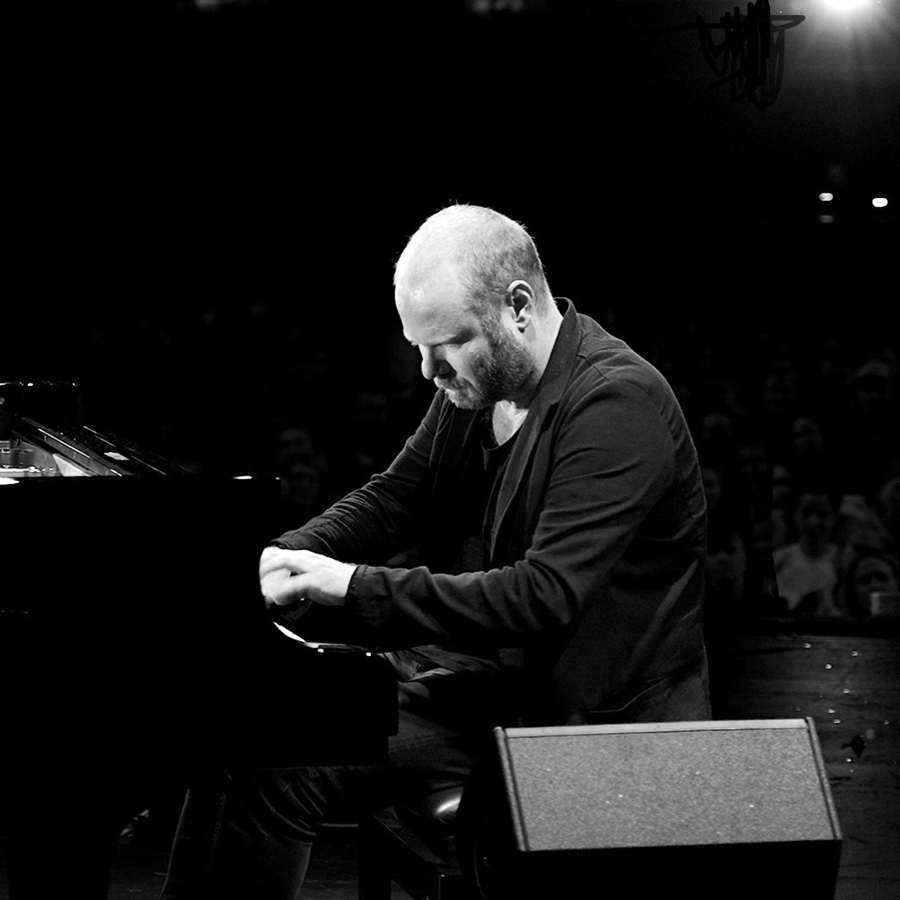
Kai Schumacher
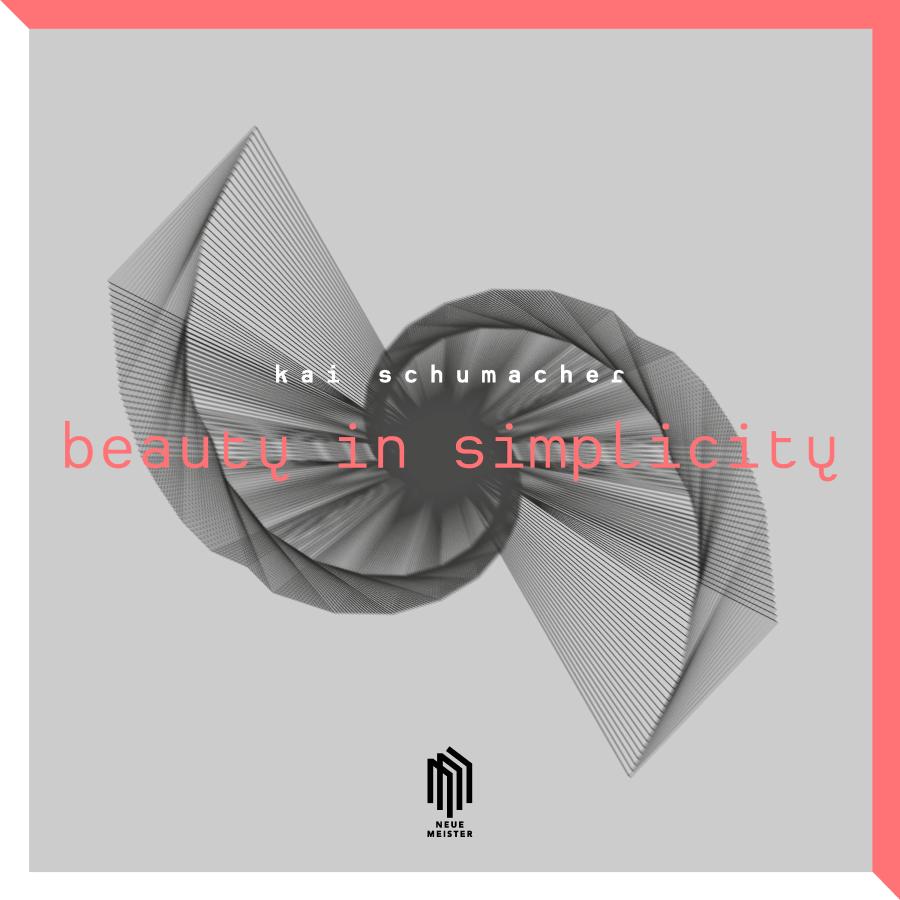
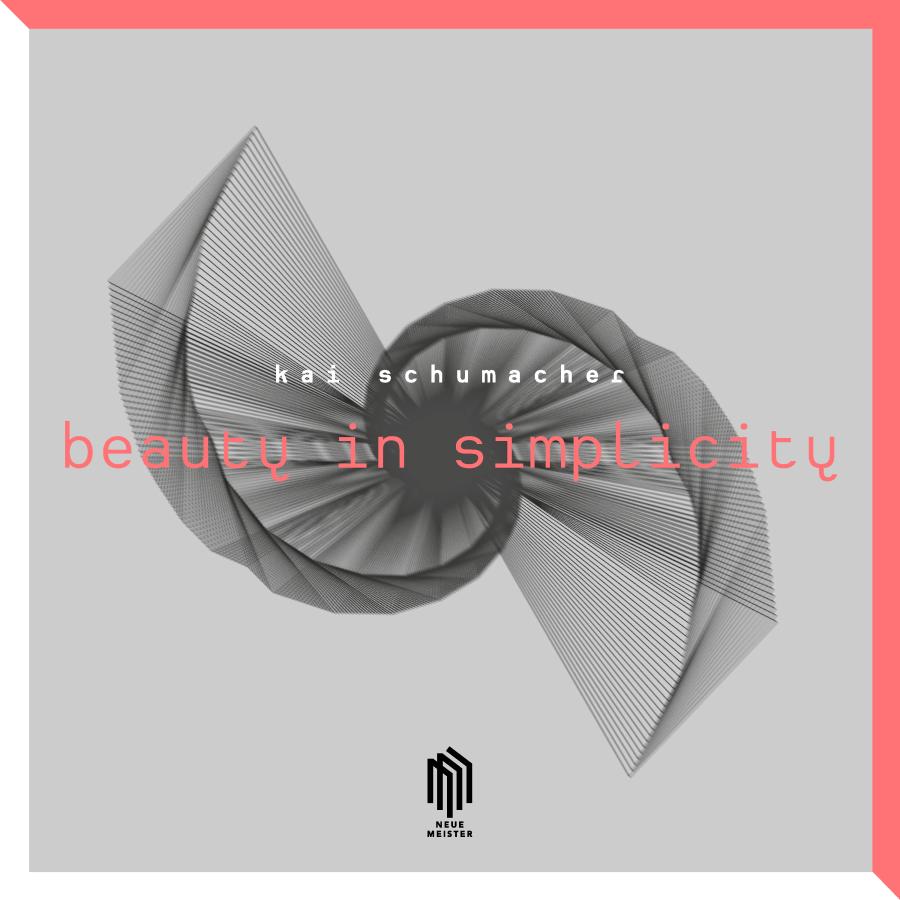
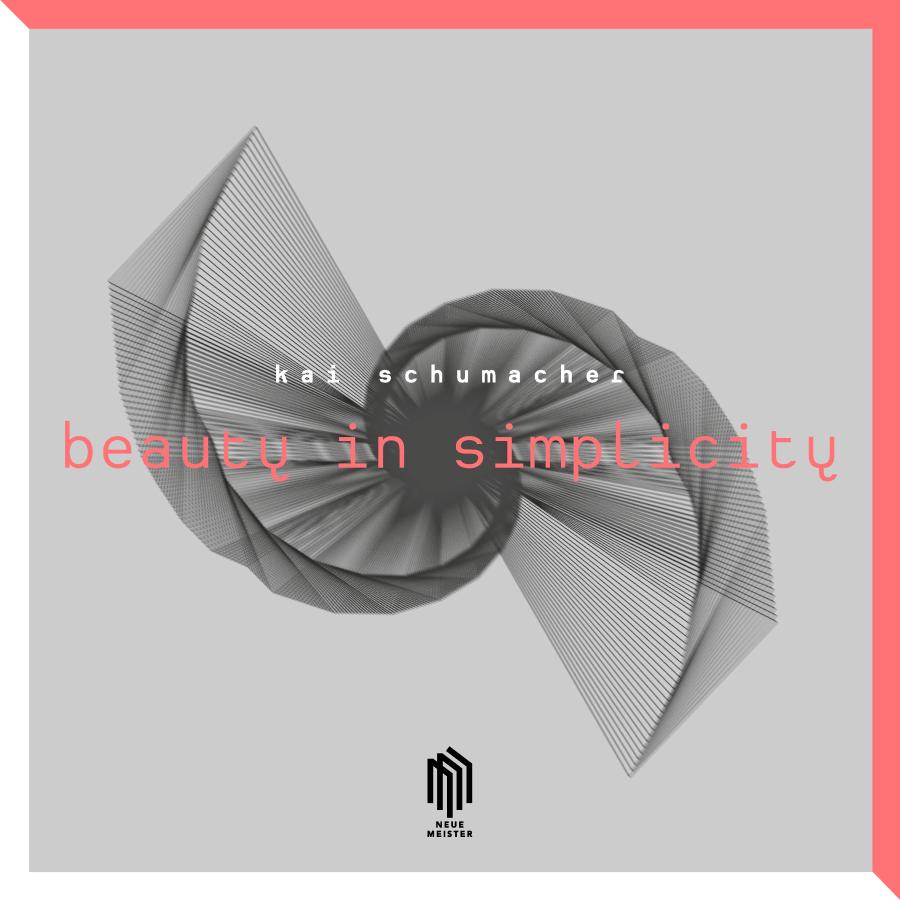
Beauty In Simplicity
In the 1950s, New Music essentially meant one thing: maximum complexity and maximum remoteness from the audience. That changed radically at the end of the 1960s, when a group of freaks completely rewrote the rules of the musical avant-garde and achieved one of the last great breakthroughs in 20th-century art music. Composers like Steve Reich freed classical music from the dogmas of serialism and created a new sound aesthetic with psychedelic pull, shaped by the rhythms of the Indonesian gamelan, the coolness of free jazz and the energy of rock music. They challenged the excessive intellectualism of European contemporary music with a new kind of performance culture: the lofts and clubs of the New York art scene became the new hot spots of the avant-garde, making Darmstadt and Donaueschingen look like forsaken temples of a long-since-abandoned religion. The Minimal Music of the 1960s emphasized a new simplicity of musical structure, repetitive elements, tonal harmony and uncompromising reduction of the musical material – the idea of “patterns” was born, without which the genres of ambient, techno and post-rock would never have emerged. It is an irony of fate that a form of classical music that was responsible only a few decades ago for the last great performance scandals of the 20th century should exercise unparalleled influence on mainstream culture to this day. Taking his lead from Steve Reich’s masterwork “Electric Counterpoint” in a new arrangement for live and pre-recorded pianos, Kai Schumacher takes a musical look on his album Beauty in Simplicity at classical precursors and pop-culture inheritors of minimal music. So it is that Erik Satie’s fragile planes of sound prepare the way for the ambient music of such as Brian Eno while P.M. Hamel’s psychedelic piano works serve as inspiration for piano transcriptions by Moderat. Rather than relying on digital sound, Kai Schumacher treats the concert grand as a fully analogue synthesizer, applying preparations and sound processing to what is surely the most classical of all instruments to generate apparently electronic sound worlds in the space between drum-machine and the Wall of Sound.
Videos
Artist
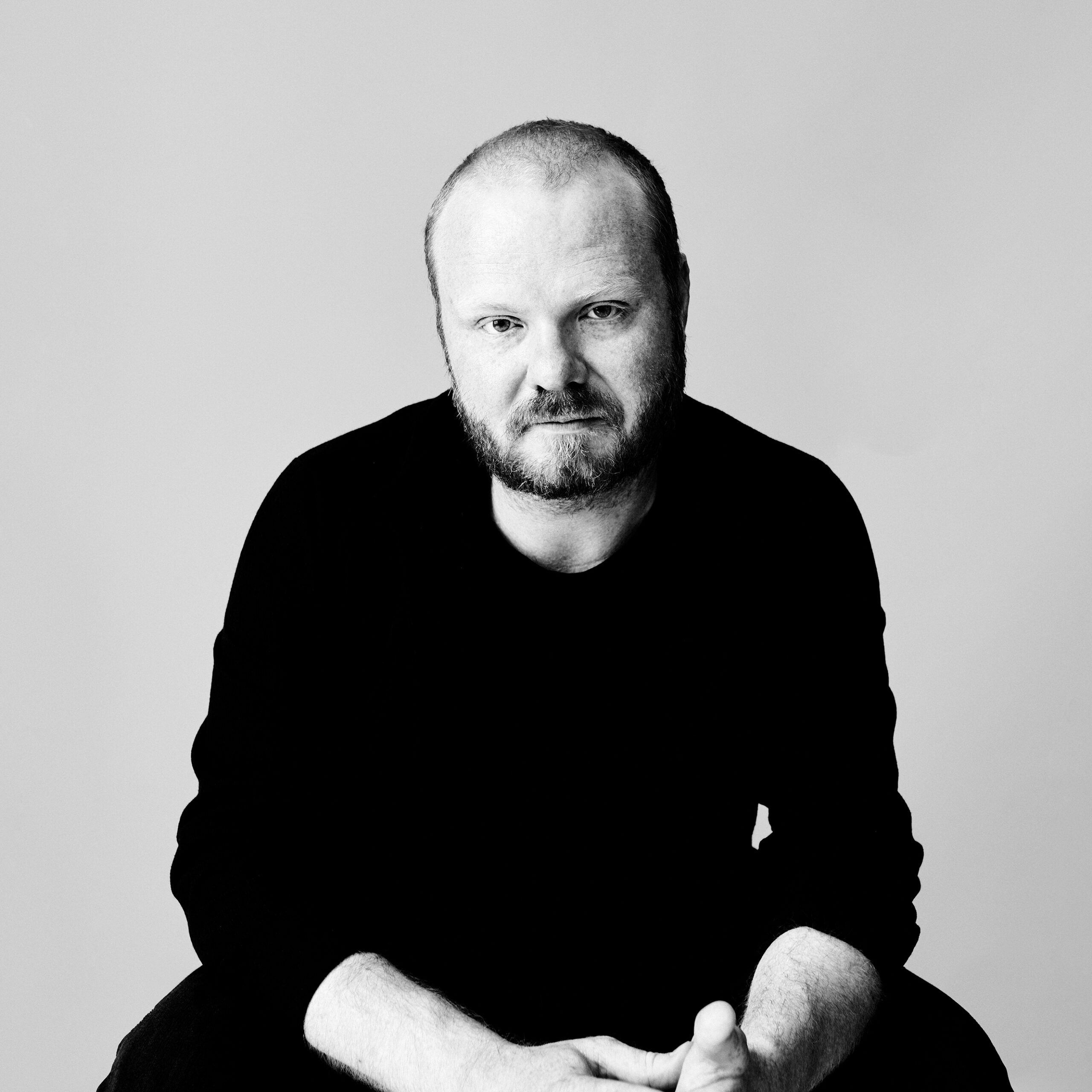
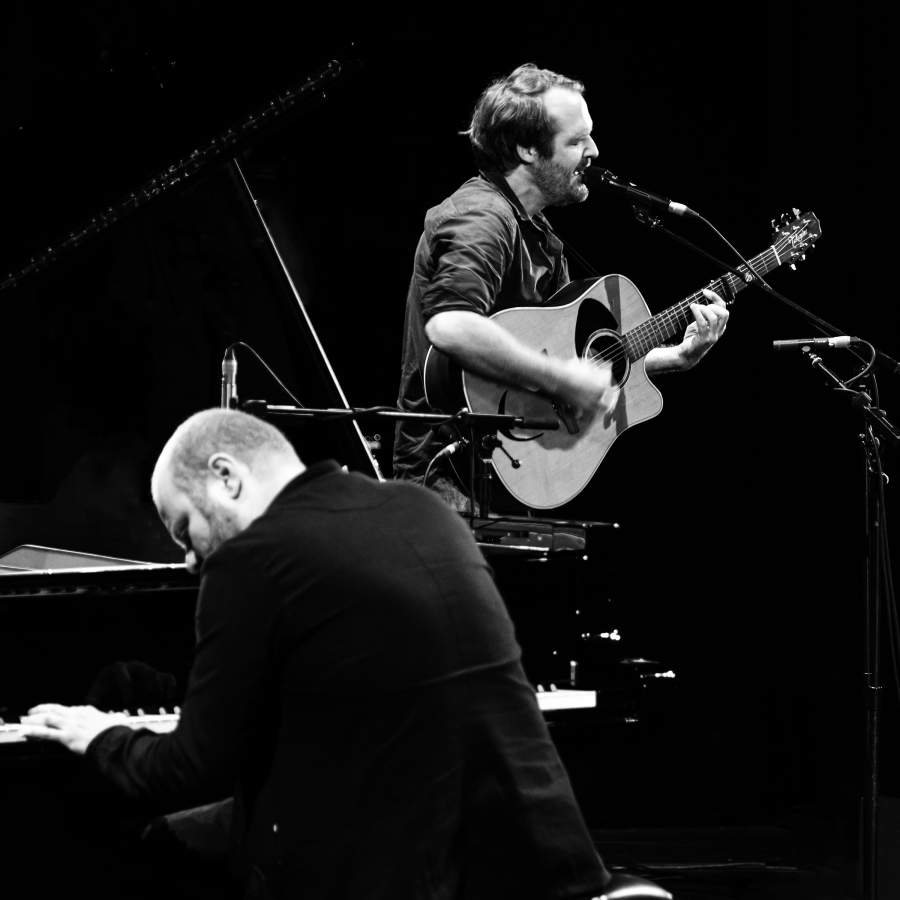
Kai Schumacher
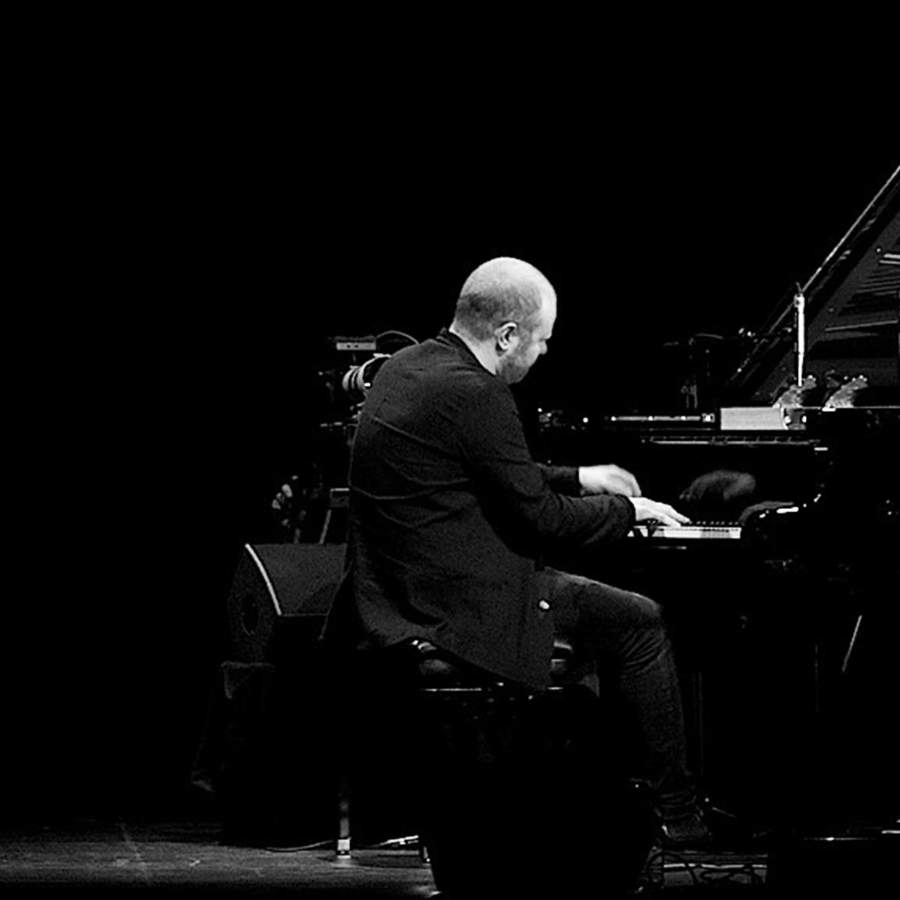
Kai Schumacher delights in pushing the boundaries between classical and popular music while avoiding the wellworn clichés "Crossover". Boasting an impressive pedigree, Kai studied at the renowned Folkwang University Essen with Prof. Till Engel, passing his "Konzertexamen" with distinction in 2009.
Since then, like a musical mad scientist, he has been constantly experimenting and combining seemingly incompatible elements with surprising results. His solo performances are acts of pure musical - and stylistic - alchemy, serving up heady mixes of Dadaism and Dancefloor, Avantgarde and Pop culture – sometimes all at once!
When not engaged in genre-defying pursuits, Kai Schumacher‘s repertoire focuses on American piano music of the twentieth and twenty-first centuries. His debut recording of Frederic Rzewski‘s monumental "The People United Will Never Be Defeated" (2009) was hailed by Fono Forum magazine as a "pianistic sensation" and voted recording of the month.
On his second album, "Transcriptions" (2012), he bravely turned to the musical heroes of his youth - Rage Against the Machine, Nirvana, Slayer and others – remixing them and transforming the concert grand into a foursquare-meter sound monster, a mechanical sound-effects board, complete with prepared percussion.
His third album "Insomnia" (2015) is the story of a nocturnal odyssey, at once soothing and disturbing. It´s five restless "hymns" to the night feature the works of five American composers written over the past 80 years.
On his current album "Beauty in simplicity" Kai Schumacher is combining original piano compositions with his own arrangements for "enhanced piano" to create a repetitive set between meditation und mania. Including works from three centuries ranging from Erik Satie through Steve Reich to Moderat Minimal Music meets its classical pioneers and descendants in Ambient, Techno and Post-Rock.
More releases