 AlbumRelease date:
29.09.2023
Kai Schumacher
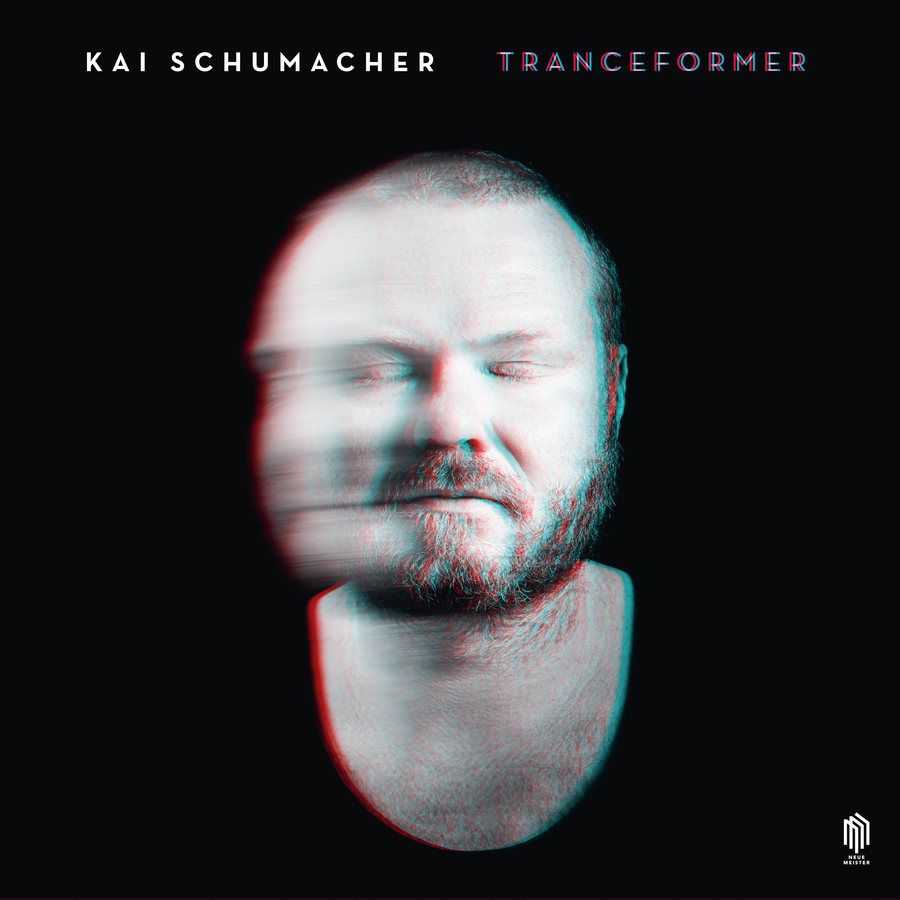
Tranceformer
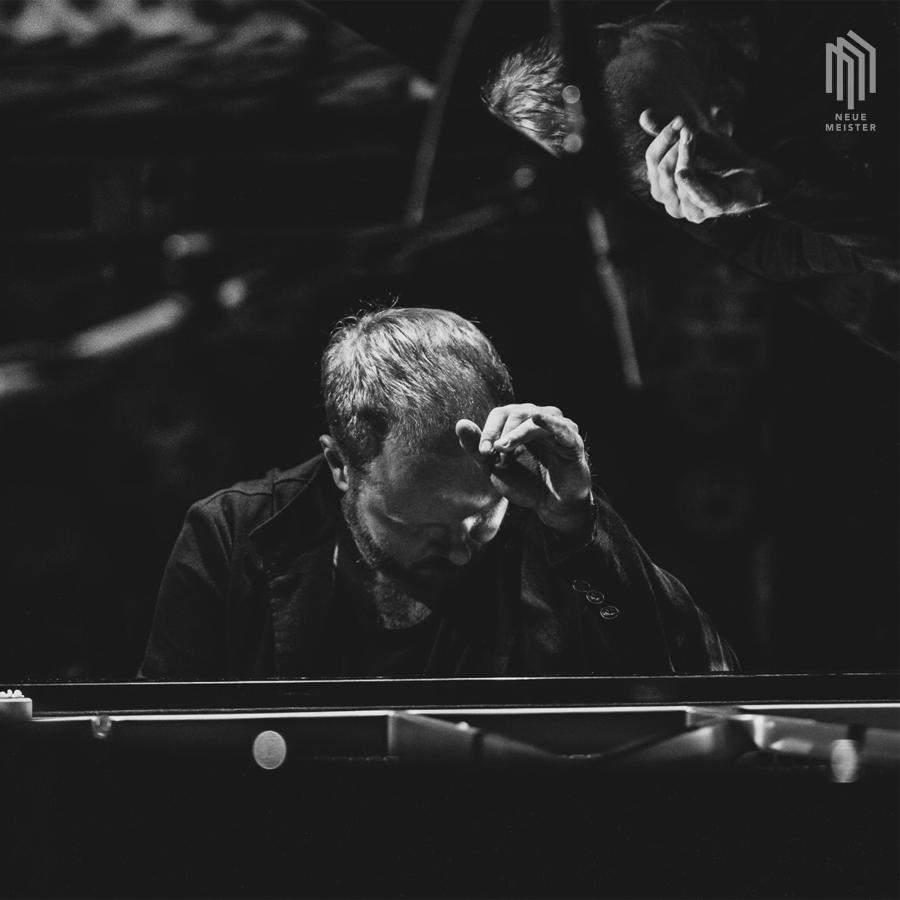
In the beginning, Kai Schumacher created two notes, a perfect fifth apart, like the heavens and the earth, with nothingness in between. Not minor, not major, devoid of anything that might betray the essence of nothingness, whether it be solitude or solace. Until, still groping, a movement awakens, a primary catalyst emerging from the void. As if nature were opening its eyes, nature is rhythm, a heartbeat suspended between two tones, welcoming new tones into the evolving motion, which grows and expands. The rhythms encircle each other, shifting, merging, and gently dissolving, ultimately yielding two notes, two certainties – Kai Schumacher. Yet it could also be more, multiple Kais and Schumachers, that we hear as they play together, sometimes in harmony, sometimes in opposition. We follow one heartbeat while listening, then another, constantly on the verge of losing our own hearts and discovering others, as if in a gentle ‘trance,’ as Schumacher titled his first album of original compositions in 2019. They don’t pen jingles that implant saccharine harmonies or melodies in your ears. Except for those you compose yourself by following their heartbeats. At some point, Francesco Tristano, the Luxembourgish pianist with whom he recorded one of the six pieces on the new album, asked himself, ‘When does Kai begin to compose?’ Eventually, as you listen, you wonder when you yourself started composing what they are now playing together. The piece is called ‘Tranceformer’. Similar to the ‘tranceformation’ when piano and drums meld together – in "Drift," Philo Tsoungui, the drummer from "The Mars Volta," effortlessly intertwines her rhythms with Kai’s fingerplay. Or when you listen to "Scapes_Spaces" and ponder how many hands are present in the soundscape – here, once again, there are four, with the addition of Moritz Fasbender, also known as Friederike Bernhardt. Who is what, what is what – it’s a wonderfully deft touch, as Schumacher dissolves boundaries of identity, rendering his music fluid and transcendent, quite literally: surpassing limitations. In the beginning, two tones emerge, imperceptibly propelling the listener to take the lead, as if you’d switched sides while listening. Kai Schumacher explains this phenomenon with the ‘physicality’ of his music, rooted in the ‘natural motor skills of the hands’. These hands, akin to heaven and earth, perform actions that, in the realm of rhythm, feel innate, giving rise to a seamless flow of play, not accumulating tension but guiding it. And where does it lead? Is it techno? Party? Trance? Or classical, a concert, a moment of devotion? There is no ‘or’. "Tranceformer" is available physically and digitally on all music platforms.
Videos
Artist
Kai Schumacher
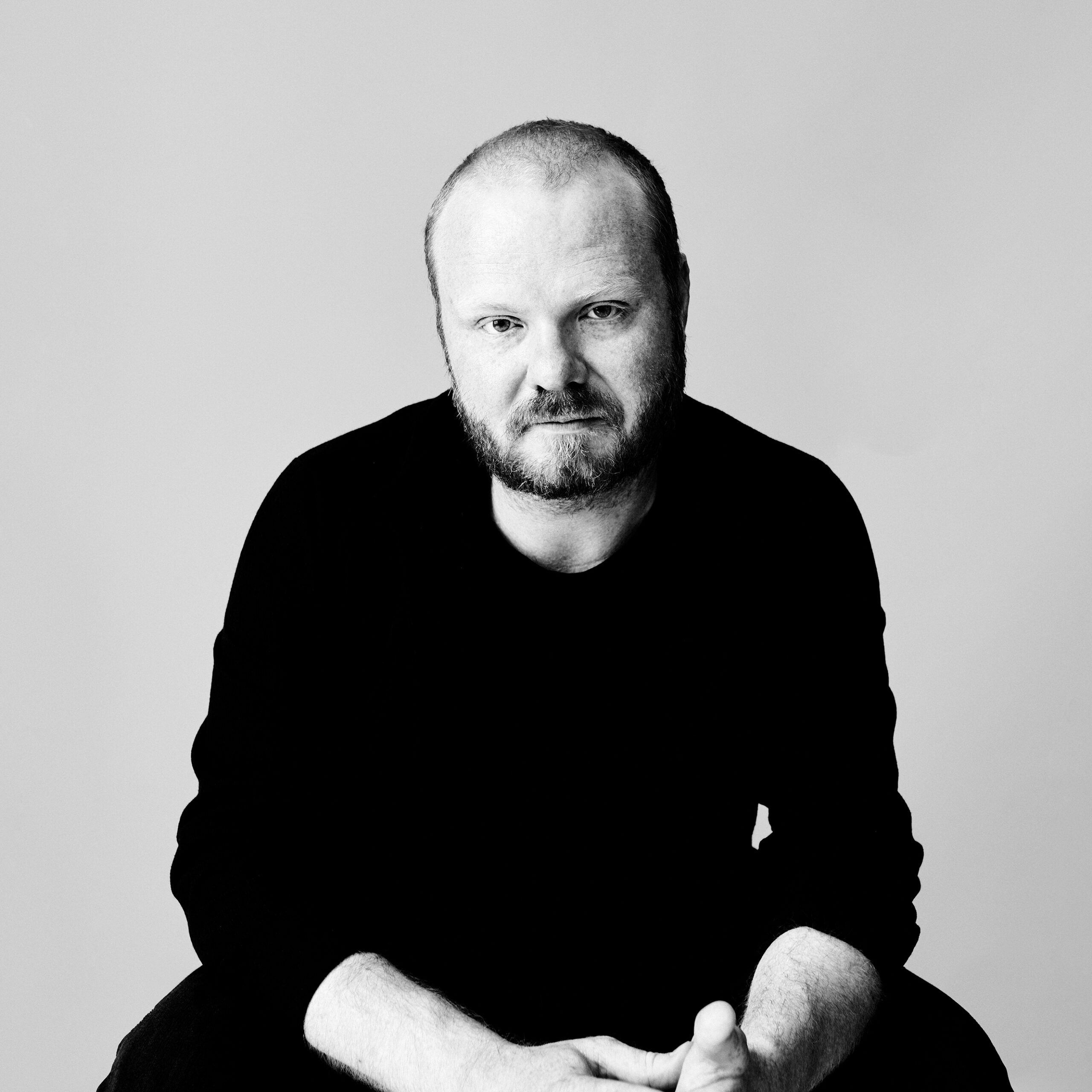
Kai Schumacher delights in pushing the boundaries between classical and popular music while avoiding the wellworn clichés "Crossover". Boasting an impressive pedigree, Kai studied at the renowned Folkwang University Essen with Prof. Till Engel, passing his "Konzertexamen" with distinction in 2009.
Since then, like a musical mad scientist, he has been constantly experimenting and combining seemingly incompatible elements with surprising results. His solo performances are acts of pure musical - and stylistic - alchemy, serving up heady mixes of Dadaism and Dancefloor, Avantgarde and Pop culture – sometimes all at once!
When not engaged in genre-defying pursuits, Kai Schumacher‘s repertoire focuses on American piano music of the twentieth and twenty-first centuries. His debut recording of Frederic Rzewski‘s monumental "The People United Will Never Be Defeated" (2009) was hailed by Fono Forum magazine as a "pianistic sensation" and voted recording of the month.
On his second album, "Transcriptions" (2012), he bravely turned to the musical heroes of his youth - Rage Against the Machine, Nirvana, Slayer and others – remixing them and transforming the concert grand into a foursquare-meter sound monster, a mechanical sound-effects board, complete with prepared percussion.
His third album "Insomnia" (2015) is the story of a nocturnal odyssey, at once soothing and disturbing. It´s five restless "hymns" to the night feature the works of five American composers written over the past 80 years.
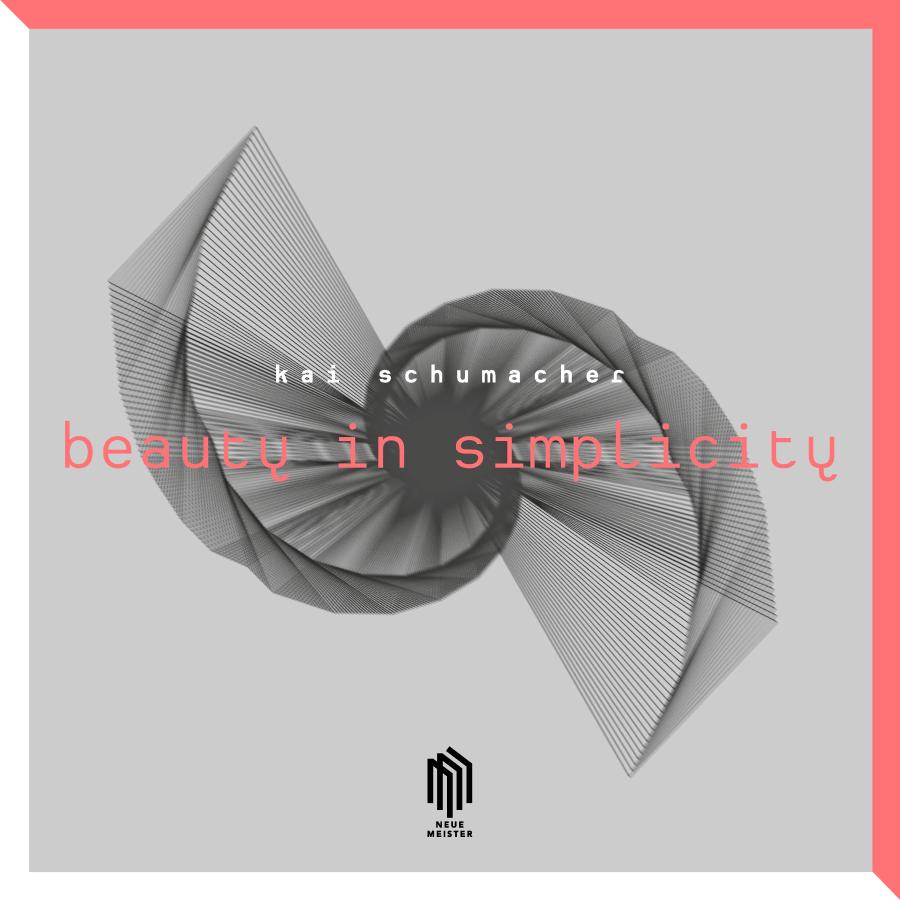
On his current album "Beauty in simplicity" Kai Schumacher is combining original piano compositions with his own arrangements for "enhanced piano" to create a repetitive set between meditation und mania. Including works from three centuries ranging from Erik Satie through Steve Reich to Moderat Minimal Music meets its classical pioneers and descendants in Ambient, Techno and Post-Rock.
More releases